Each sight below is its own visit, usually with its own ticket and entrance. Visit lengths are our estimates unless we cite a time. Costs and hours were checked in October 2026, and the tickets guide compares prices.
Imperial Apartments
These are the rooms where Emperor Franz Joseph and Empress Elisabeth (Sisi) lived, in the Imperial Chancellery Wing and the Amalia Residence. The museum counts 24 rooms, furnished and decorated to look as they did in the imperial era.
What you actually see. Rooms include the Emperor’s Staircase, a guards’ room and the audience rooms where visitors waited to see the emperor. The most memorable room is Franz Joseph’s study. The museum says he started work there at 4am, with signed files on one side of the desk and pending ones on the other. Elisabeth’s rooms include her dressing room, fitted with wall bars, a high bar and rings, which says plenty about her daily routine. The dining room is laid for a formal family dinner, with napkins folded as lilies.
The apartments are plain beside Schönbrunn’s, which is the point. This was a working palace, and it reads as one.
Time and ticket. The museum’s guided tour of the apartments and Sisi Museum takes about 60 minutes. On your own with an audio guide, allow 60 to 90 minutes. The Imperial Apartments day ticket is timed and needs booking ahead.
Sisi Museum
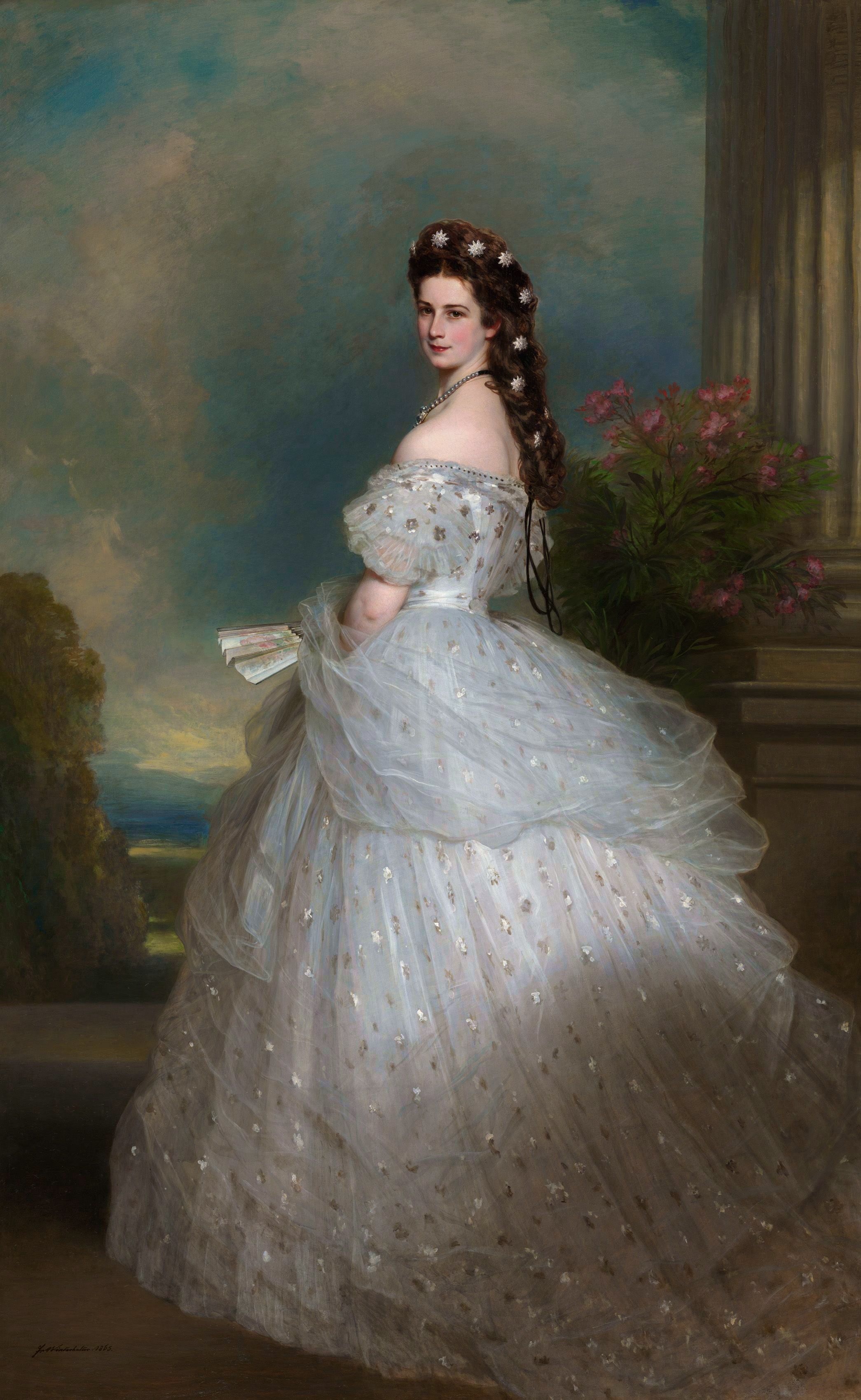
The Sisi Museum opened in 2004 in the Stephan apartments and covers more than 400 square metres. It tells Elisabeth’s life through personal objects, and its website lists sections on her death, the Sisi myth, her girlhood, her life at court, her flight from it and her assassination. Objects include her parasols and fans, her milk glass with its travelling case, her travelling medicine chest and the original death certificate.
It is closed until the redesigned museum opens on 19 November 2026, with more rooms and new material, so expect the order and content to change. If this exhibition is why you are in Vienna, come after the reopening.
Time and ticket. It is included in the same day ticket as the Imperial Apartments. Together they make about a 90-minute to two-hour visit.
Silver Collection
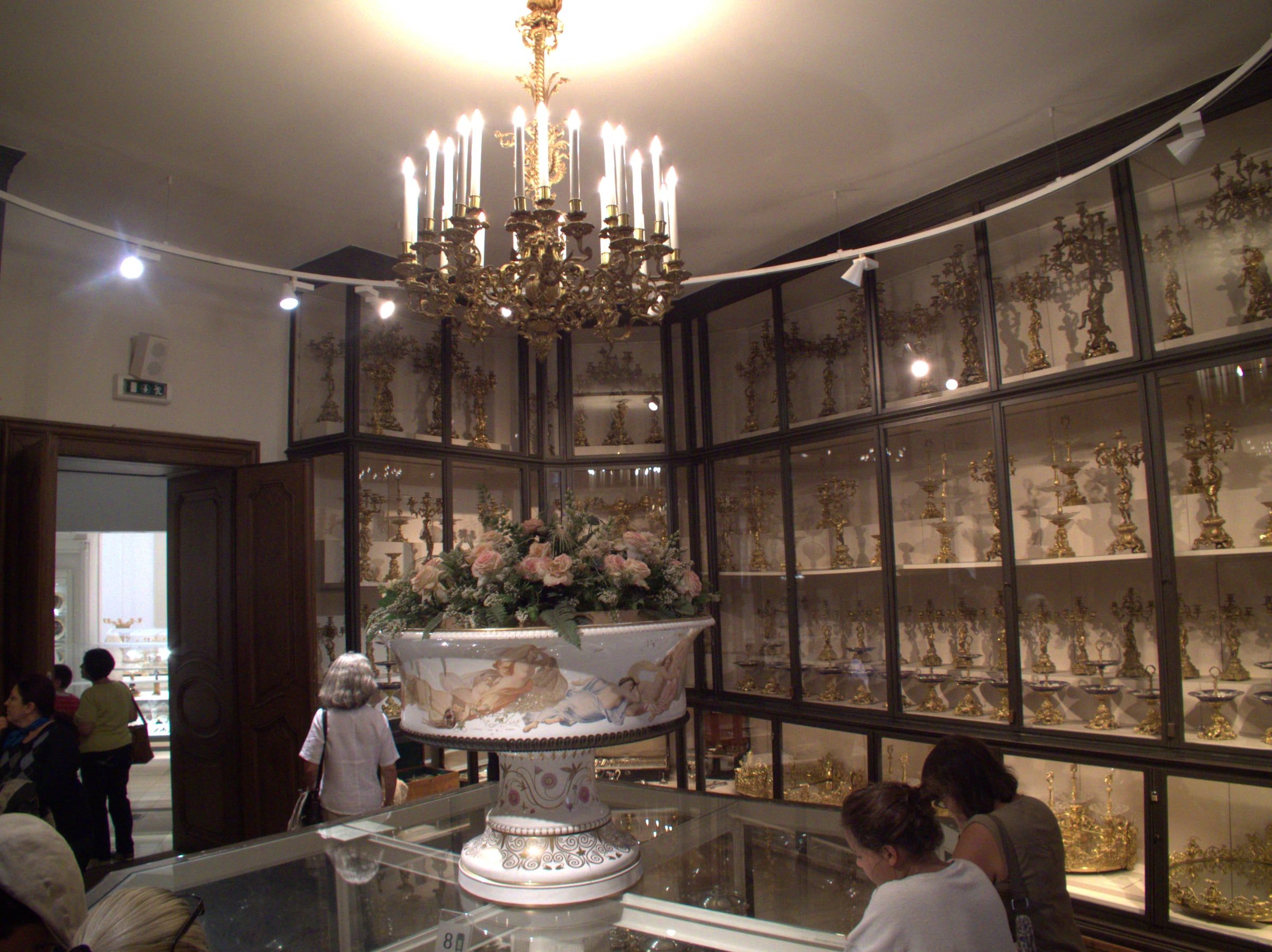
This is the imperial table silver: dinner services of silver, gold and porcelain, and centrepieces up to 30 metres long, in the former Court Table and Silver Room on the ground floor. It has been closed since 1 April 2023 until further notice, so do not plan around it. The day ticket nominally covers it, which is one reason to read the current notes before you buy.
It is not the Imperial Treasury, despite what the names suggest.
Imperial Treasury
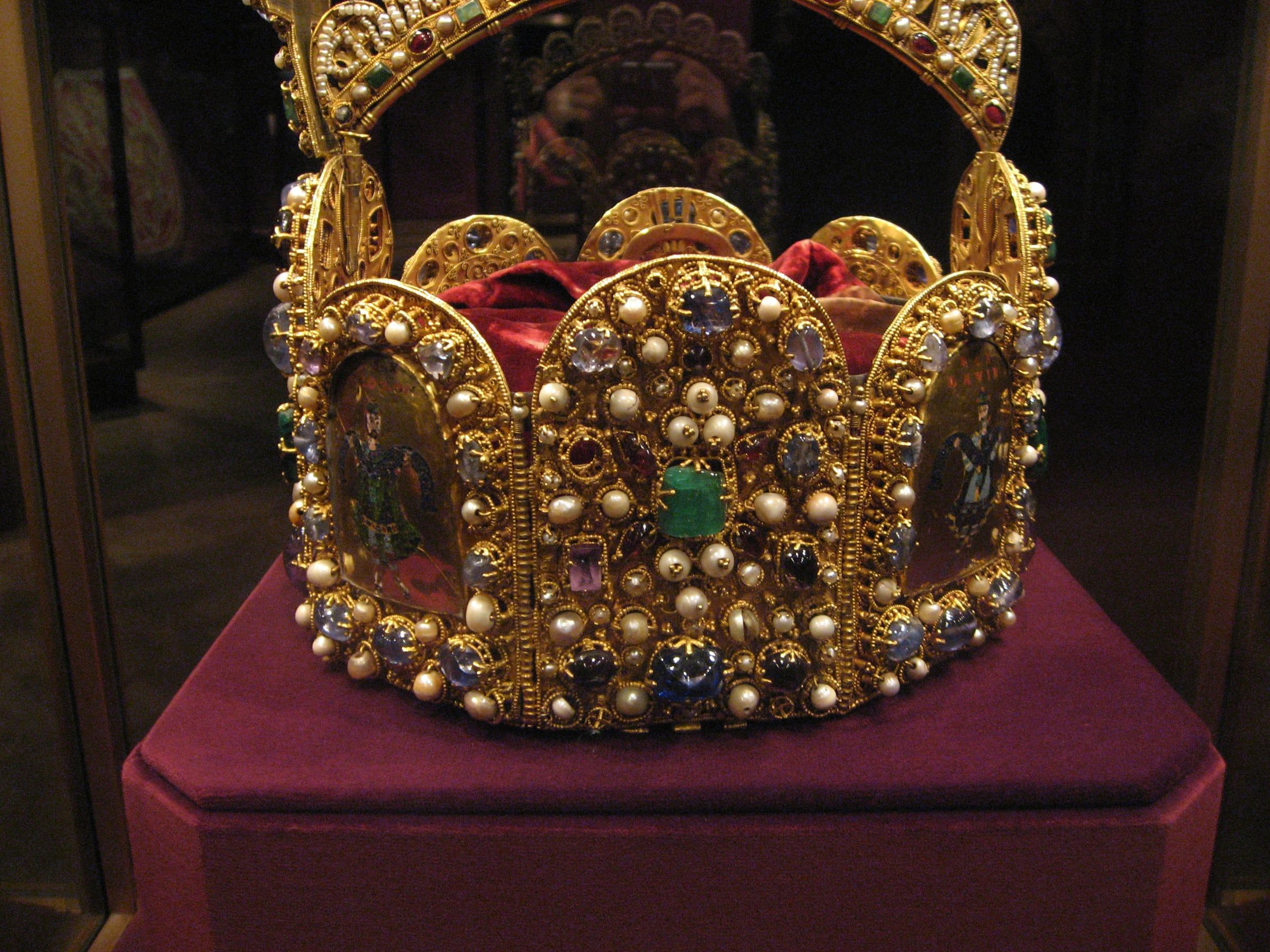
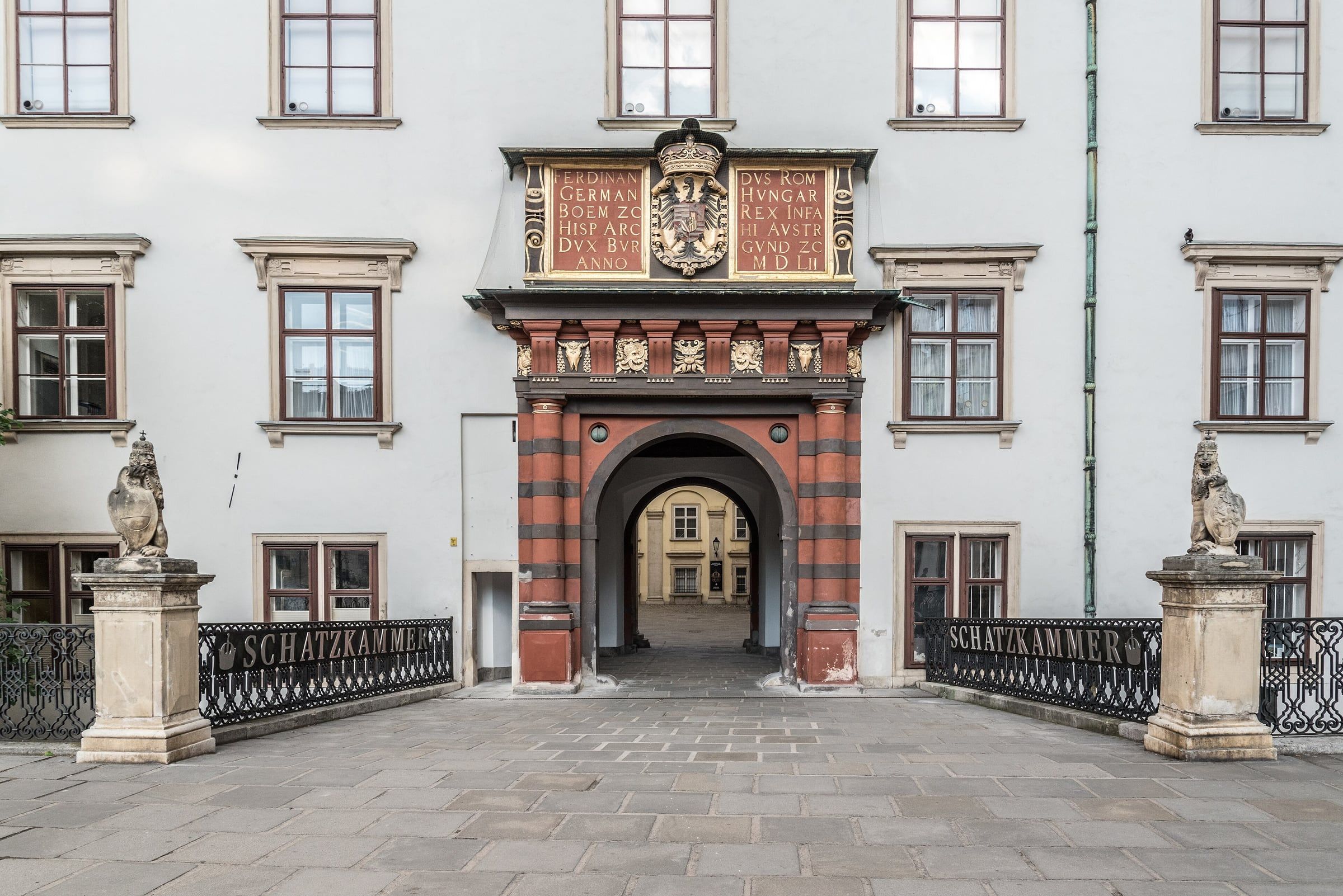
The Treasury (Schatzkammer) is in the Swiss Wing, the oldest part of the Hofburg, and the Kunsthistorisches Museum runs it. It holds the regalia of the Holy Roman Empire and the Austrian Empire in a secular and a church section.
What you actually see. The Imperial Crown of the Holy Roman Empire and the Austrian imperial crown sit alongside the coronation robes. There is also the treasure of the Order of the Golden Fleece, an agate bowl once believed to be the Holy Grail, and the largest cut emerald in the world. It is the best collection of objects in the Hofburg, and the one that makes the most sense of the empire’s history.
Time and ticket. Allow about an hour. It needs its own timed ticket, is closed on Tuesdays, and is free for under-19s. You enter through the Schweizerhof.
Spanish Riding School
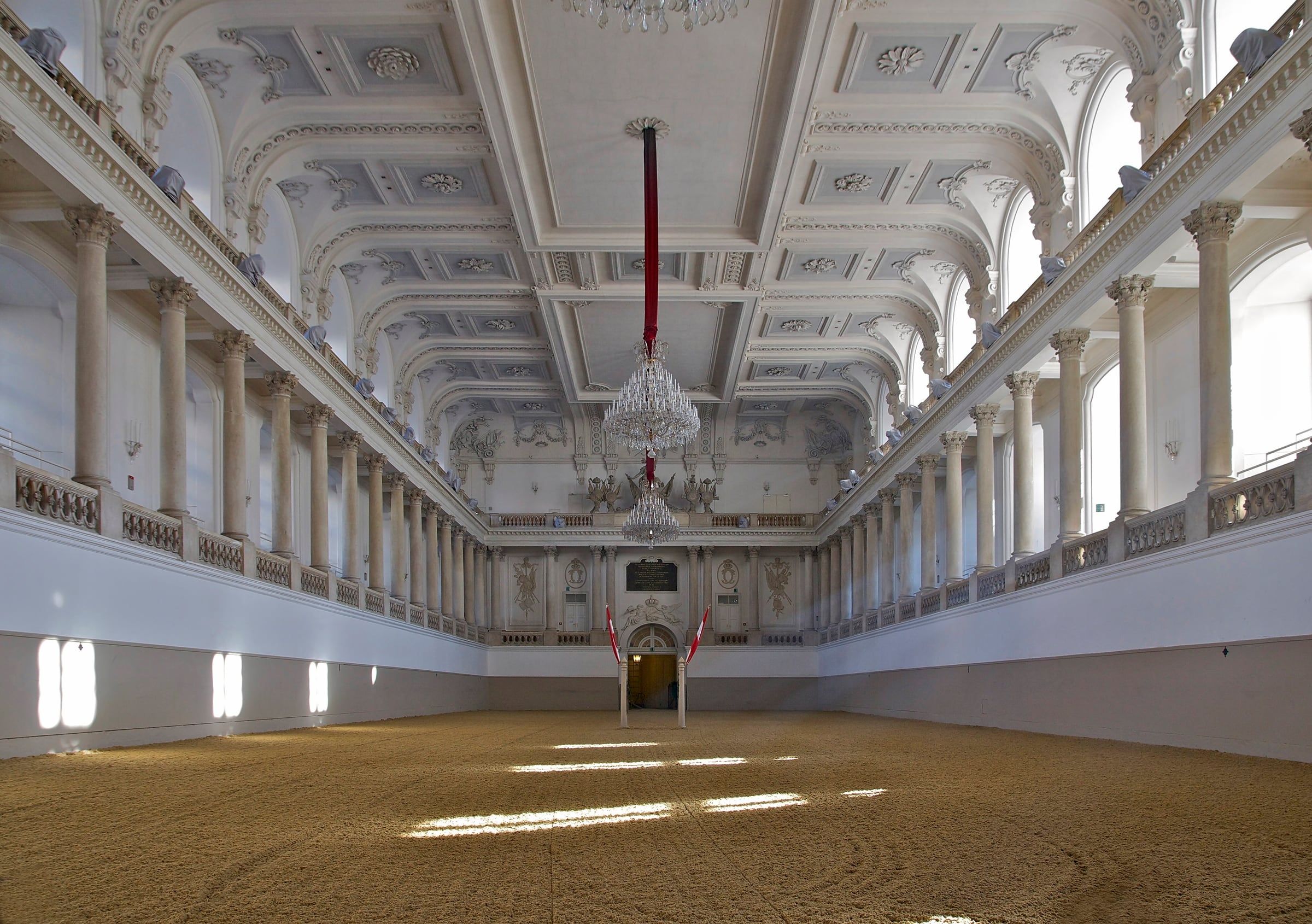
The Winter Riding School, built between 1729 and 1735 under Emperor Charles VI, is a baroque hall where Lipizzaner stallions perform. The school describes itself as the oldest riding school in the world and lists its tradition as UNESCO intangible cultural heritage. The stallions live in the Stallburg, which the school says holds up to 71 horses.
What you actually see. There are three ways to see the horses, and they are different experiences.
- The morning exercise is a training session, with young and fully trained stallions working to classical music. The famous jumps are rarely shown. It lasts about 60 minutes.
- The performance is the show: the school quadrille, the schools on and above the ground (including the capriole) and the long rein. The standard version is about 70 minutes.
- The guided tour (about 60 minutes) shows the Winter and Summer Riding Schools and the stables, but no riding.
If you want the spectacle, buy the performance. If you want the hall and the routine for much less, choose the morning exercise. Cameras are banned at both, and the building has no lift.
Time and ticket. Separate tickets for each. See the tickets guide for prices and which dates sell out.
State Hall of the National Library
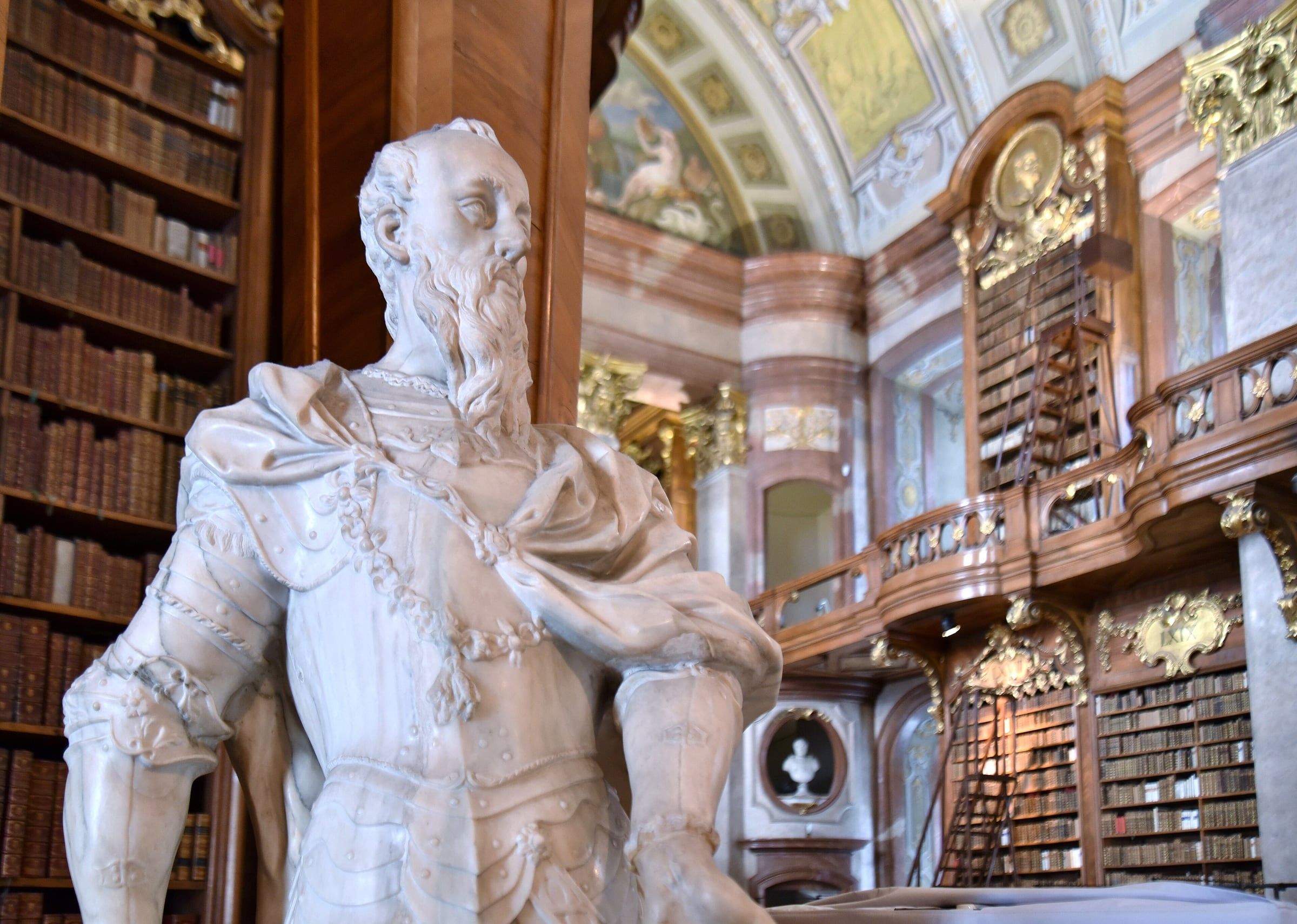
The State Hall is the former court library, built in the 18th century at the order of Emperor Charles VI (the Sisi Museum dates the Court Library to 1723 to 1735). It holds around 200,000 historic books. A statue of Charles VI stands in the centre under a dome painted by Daniel Gran, surrounded by four large Venetian globes. Prince Eugene of Savoy’s library, about 15,000 volumes bound in red, blue and yellow leather, stands in the middle oval.
The hall was restored between July and December 2022. It is one room, so plan on 20 to 40 minutes. The ticket is separate (€12 for adults, free for under-19s), the entrance is on Josefsplatz, and the library sometimes closes it early for events, so check before you go.
Hofburg Chapel and the Vienna Boys’ Choir
The Gothic Hofburg Chapel (Burgkapelle) dates from 1449. On Sundays at 9:15, on the dates in its programme (which ran to 27 June 2027 when we checked), the Wiener Hofmusikkapelle performs a sung mass there, with members of the Vienna State Opera’s orchestra and men’s choir. The Vienna Boys’ Choir sings at most services. The Girls’ Choir takes some, such as 25 October and 15 November 2026.
It is a church service, not a concert, and the cheapest paid seats (€14) are for listening only, with no view. Standing room is free and cannot be reserved. Arrive early. The chapel also has weekday visiting hours on Mondays, Tuesdays and Fridays, listed on the Hofmusikkapelle site.
Neue Burg museums
The curved Neue Burg, begun in the 1880s and finished in 1913, faces Heldenplatz. It was meant to be one wing of a much larger imperial forum that was never built. It holds the Weltmuseum Wien, the Imperial Armoury, the Collection of Historic Musical Instruments and the Ephesos Museum, whose highlight is the Parthian Monument, a series of Roman reliefs. A single €16 ticket covers the Weltmuseum, Armoury and instruments.
Treat these as optional unless armour, musical instruments or world cultures draw you. They are not about the Habsburgs’ home life, and they are closed on Mondays.
Heldenplatz
Heldenplatz (Heroes’ Square) is the big open space in front of the Neue Burg, with equestrian statues of Prince Eugene and Archduke Charles. Locals picnic on the lawn. It is free to enter and the best place to see the Neue Burg’s sweep. It is also where Hitler proclaimed the Anschluss from the Neue Burg’s balcony on 15 March 1938.
Burggarten and Volksgarten
The Burggarten, once a private garden of Emperor Franz I, opened to the public in 1919. It is an English-style park beside the Albertina, with a Mozart monument near the entrance on the Ring, the boulevard around the old city, an Art Nouveau Palm House and a paid Butterfly House. The Spanish Riding School’s horses sometimes ride through in the early morning, at no fixed times. The Volksgarten has over 3,000 rose bushes of more than 200 varieties. Both parks are free and open daily, from 6am to 10pm between April and October, with shorter hours the rest of the year.
What to prioritise
With two hours: book a timed slot for the Imperial Apartments and finish with a loop through the Burggarten. If palace rooms are not your thing, swap the apartments for the Treasury and add the State Hall.
With a full day: on a Wednesday, Thursday or Friday, start with the Riding School’s morning exercise at 10am. Take a late-morning Treasury slot, then lunch. Spend the afternoon on the Imperial Apartments, and end in the State Hall, which is open until 9pm on Thursdays. Add the Neue Burg museums only if you have time to spare.
Practical details on hours, entrances and bags are in visiting the Hofburg. For the neighbours, see the Albertina beside the Burggarten and the Kunsthistorisches Museum, and our Vienna itinerary for fitting it all together.