How to choose
Vienna’s centre is compact, and the Hofburg sits in the 1st district, called the Innere Stadt, inside the Ringstrasse. Most visitors treat it as the middle of a wheel, with the U-Bahn (Vienna’s underground) as the spokes. The right area depends on whether you want to walk out of your door and into the sights, or trade a few minutes on the train for a neighbourhood with more everyday life.
The official route to the Hofburg is the U3 to Herrengasse, so the closer your base is to a U3 or U1 station, the easier your days will be. Our getting there guide covers routes in detail.
| Area | Feel | Route to the Hofburg | Best for |
|---|---|---|---|
| Innere Stadt (1st) | Sights, shops and offices | On foot, or one U-Bahn stop | Short stays |
| Neubau (7th) and Mariahilf (6th) | Young, urban, lots of cafés and bars | U3 from Neubaugasse, two stops to Herrengasse | Food, shopping, museums |
| Wieden (4th) | Galleries, bars and the Naschmarkt, near Karlsplatz | U1 from Karlsplatz, one stop to Stephansplatz | Naschmarkt and transport links |
| Leopoldstadt (2nd) | Relaxed and mixed, with the Prater | U1 from Nestroyplatz, two stops to Stephansplatz | Longer stays, families |
Innere Stadt (1st district)
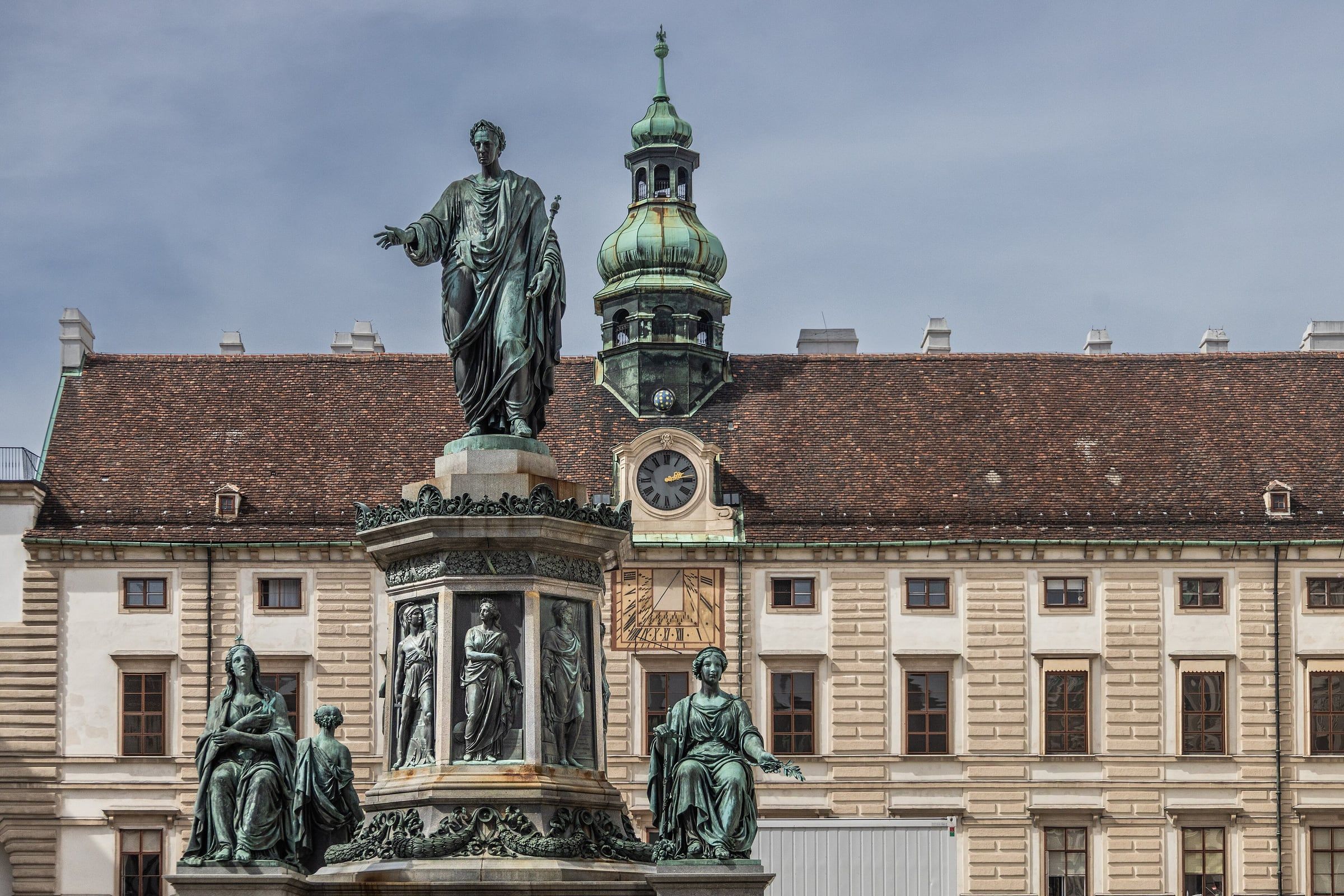
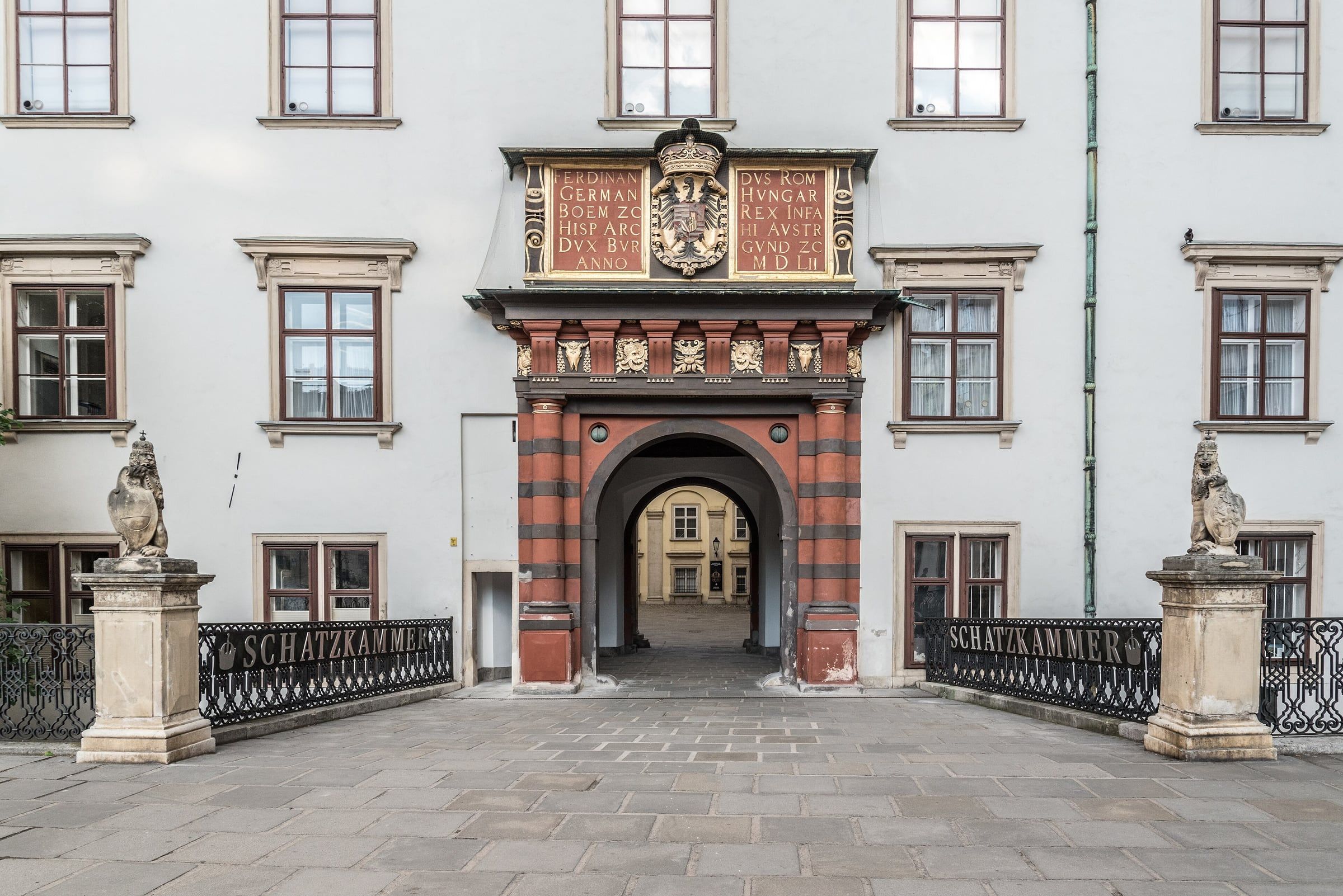
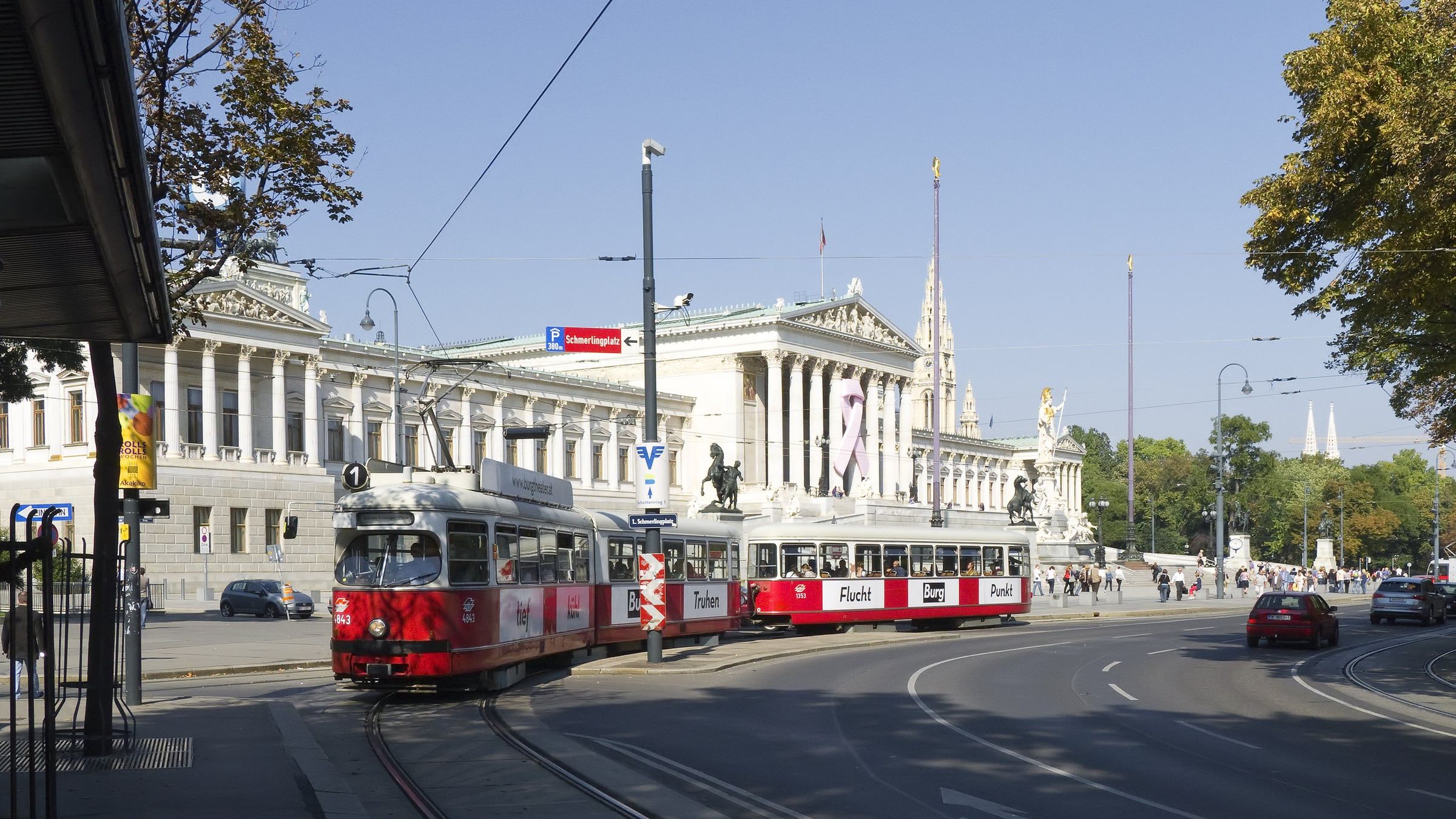
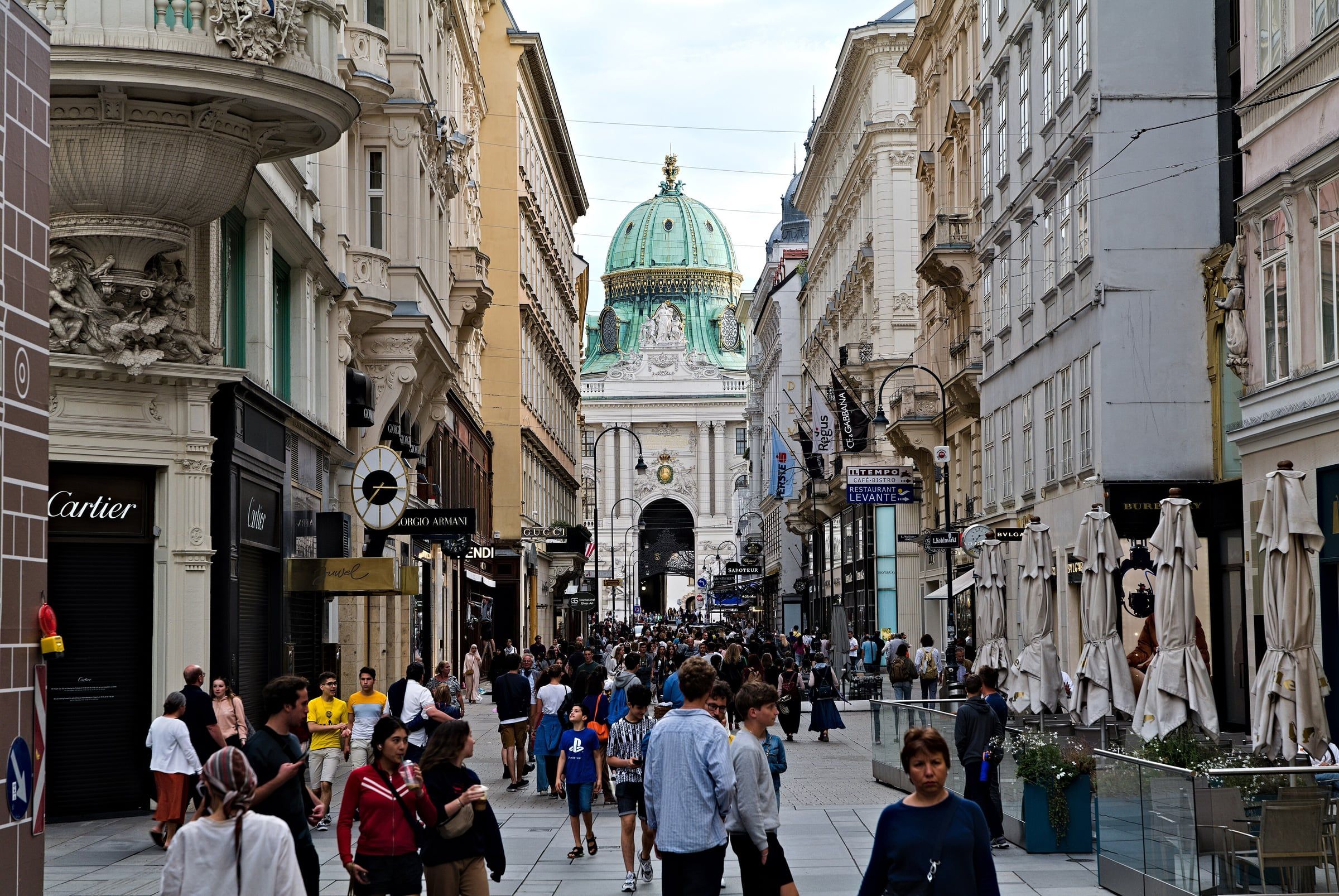
This is the old town, ringed by the Ringstrasse. The Hofburg, St Stephen’s Cathedral, the State Opera, the Albertina and the Burgtheater are all inside it. Stephansplatz (U1 and U3) and Herrengasse (U3) are both in the middle of it, so you can reach the palace on foot or by one U-Bahn stop.
Who it suits: first-time visitors with a short stay, anyone planning early starts at the Hofburg or evening performances at the Opera, and people who dislike commuting.
Honest drawbacks: very few people live here. Wikipedia gives about 15,800 residents in 2021, against a workforce of about 100,700, with tourism and company headquarters driving the numbers. So the area is more a place people come to than a place they live, and everyday neighbourhood life is thinner than in the districts below. Our nearby guide shows what is on your doorstep.
Neubau (7th) and Mariahilf (6th)
These two districts sit side by side, and Mariahilfer Straße, Vienna’s main shopping street, forms the boundary. Neubau is known as one of the city’s younger, more urban districts. It includes the MuseumsQuartier and Spittelberg, a revived Biedermeier area full of restaurants, cafés and bars. Mariahilf counts the Naschmarkt, the Haus des Meeres aquarium and the Theater an der Wien among its sights.
Getting to the Hofburg: on the U3, Neubaugasse is two stops from Herrengasse (via Volkstheater), and Zieglergasse is three. Volkstheater and Museumsquartier also sit on the U2. The Naschmarkt lies between Karlsplatz and Kettenbrückengasse, where the U4 stops, and Karlsplatz is one U1 stop from Stephansplatz.
Who it suits: travellers who like cafés and independent shops, repeat visitors, and people combining the Hofburg with museums.
Honest drawbacks: Spittelberg is built around bars and restaurants, so ask about street noise if you sleep lightly. The Hofburg is a ride away rather than a walk, so you will use the U-Bahn each day.
Wieden (4th)
Wieden sits close to the old town and is Vienna’s oldest suburb, first recorded in 1137. Karlsplatz, with the Baroque Karlskirche and Otto Wagner’s Art Nouveau Stadtbahn building, is its best-known spot. The Freihausviertel nearby is known for galleries, bars, alehouses and second-hand shopping, and the Naschmarkt is listed among the district’s sights. The Vienna Tourist Board says the Naschmarkt stalls are closed on Sundays, though its restaurants stay open.
Getting to the Hofburg: Karlsplatz serves the U1, U2 and U4. The U1 reaches Stephansplatz in one stop, and the U4 goes directly to Schönbrunn if you plan to visit Schönbrunn Palace.
Who it suits: food lovers, Naschmarkt fans, and anyone who wants three U-Bahn lines at one station.
Honest drawbacks: you will want the U1 rather than a walk to reach the Hofburg, and the district has fewer headline sights of its own.
Leopoldstadt (2nd)
Leopoldstadt lies between the Danube and the Danube Canal, across the canal from the old town. It holds the Prater with its Ferris wheel (opened 1897), the Augarten park and the Karmelitermarkt. Traditionally working class, it has been gentrifying. The Vienna Tourist Board calls the Karmeliterviertel a laid-back district that still carries traces of its Jewish history, and describes the Stuwerviertel as diverse and somewhat bohemian.
Getting to the Hofburg: the U1 runs through the district. From Nestroyplatz it is two stops to Stephansplatz, and from Praterstern three. Praterstern also has the U2.
Who it suits: repeat visitors, families who want the Prater, and travellers who prefer streets that are not built around sightseeing.
Honest drawbacks: the S-Bahn between Praterstern and the Hauptbahnhof is closed until the end of October 2027, so rely on the U1 or U2 instead. On the plus side, the airport bus has had a direct line to Praterstern since 5 September 2026.
Josefstadt and further out
Josefstadt (8th) is Vienna’s smallest district at about 1.08 square kilometres. Wikipedia describes it as middle class with many students, and the Theater in der Josefstadt is among its main buildings. For Josefstadt, or anywhere further out, run the address through the Wiener Linien route planner before you book.
Booking advice
- Check the price for the dates you want. We found no published month-by-month hotel rate data, so this page does not quote seasonal swings. Ball season peaks in January and February, and the Christmas markets start in November (details in our best time to visit guide), so compare those weeks with a quieter week before you commit.
- Expect budget rooms to be a smaller slice. About 60 percent of Vienna’s hotel beds are in four- and five-star hotels, according to the Vienna Tourist Board. If you are watching costs, widen your search along the U-Bahn lines above rather than only the centre.
- Allow for the local tax. The City of Vienna charges 5 percent of the accommodation payment for stays from 1 July 2026 to 30 June 2027, and 8 percent from 1 July 2027, excluding VAT and breakfast. Check whether the price you are shown includes it.
- Plan the Hofburg visit first. Once you have chosen your tickets, pick a base that gets you there easily. See tickets and tours and the one- and two-day itinerary.
The U-Bahn runs daily from around 5am to around midnight and through the night on Friday and Saturday, so staying a few stops out rarely means missing an evening.